Sunday, June 5, 2011

Ko Sichang

About an hour and a half bus ride from Bangkok is the seaside town of Si Racha, which is the launching point for the ferry ride to the closest big island to Bangkok called Ko Sichang.

The ferry leaves from a tiny island called Ko Loi, connected by bridge to the mainland and the location of a Thai-Chinese Temple.


The ferry ended up jam packed (it was a Thai Public Holiday) and it took about 45 minutes to get to Ko Sichang


It is not your normal island ferry trip as it takes you past Bangkok's deep water port, Laem Chabang and through the parking area for hundreds of cargo ships.


As the island comes into view you notice that it is quite hilly.It relies on rainfall for its water supply as there is no natural water source on the island of population 4500.


The island was once home to the summer palace of King Chulalongkorn, also known as Rama V, and was built in 1890. It was abandoned a few years later when it was realised that it was an easy target for an invading navy. The palace was moved to Bangkok where it is known now as the Vinmamek Teak House, a popular tourist spot. A memorial to the King is shown below.


In the palace grounds is also Wat Asdangkhanimit, a unique white conical temple.


There are a couple of beaches on the island but they are not as beautiful as the other Thai islands. The shots below show Hat Tham Phang.


The Yellow Buddha is quite a sight on a hill overlooking the Gulf of Thailand.


At the other end of the island is the Buddha Footprint, which also gives a great view of the harbour.


It is located above the Chinese Temple, Saan Chao Pho Khao Yai.


The harbour is the centre of life for the residents of Ko Sichang and full of colourful boats.


Friday, May 27, 2011

The Art of Angkor

Angkor Wat is just as amazing the second time around, but as I have shown you lots of photos of the ruins before, in this blog entry I will let you enjoy the incredible carvings and sculptures that you see everywhere. Just a reminder - they are about 900 years old.


Saturday, May 21, 2011

Back to Cambodia

One of the highlights of my travels since going to Thailand was my trip Cambodia, which was the first country I visited after moving to Bangkok, back in October 2009. Without a doubt, the temples of Angkor are one of the wonders of the world and as they are only a cheap train and taxi ride away I took the opportunity for another look.

The town of Siem Reap had changed quite a lot, with new stores and an upgrade to the river bank. The photo below shows the view from the hotel of the waiting Tuk Tuk drivers, the Siem Reap River and a fairly green and leafy town.


The river was lower than last time as it was the dry season but they have tidied up the banks and built a new bridge.


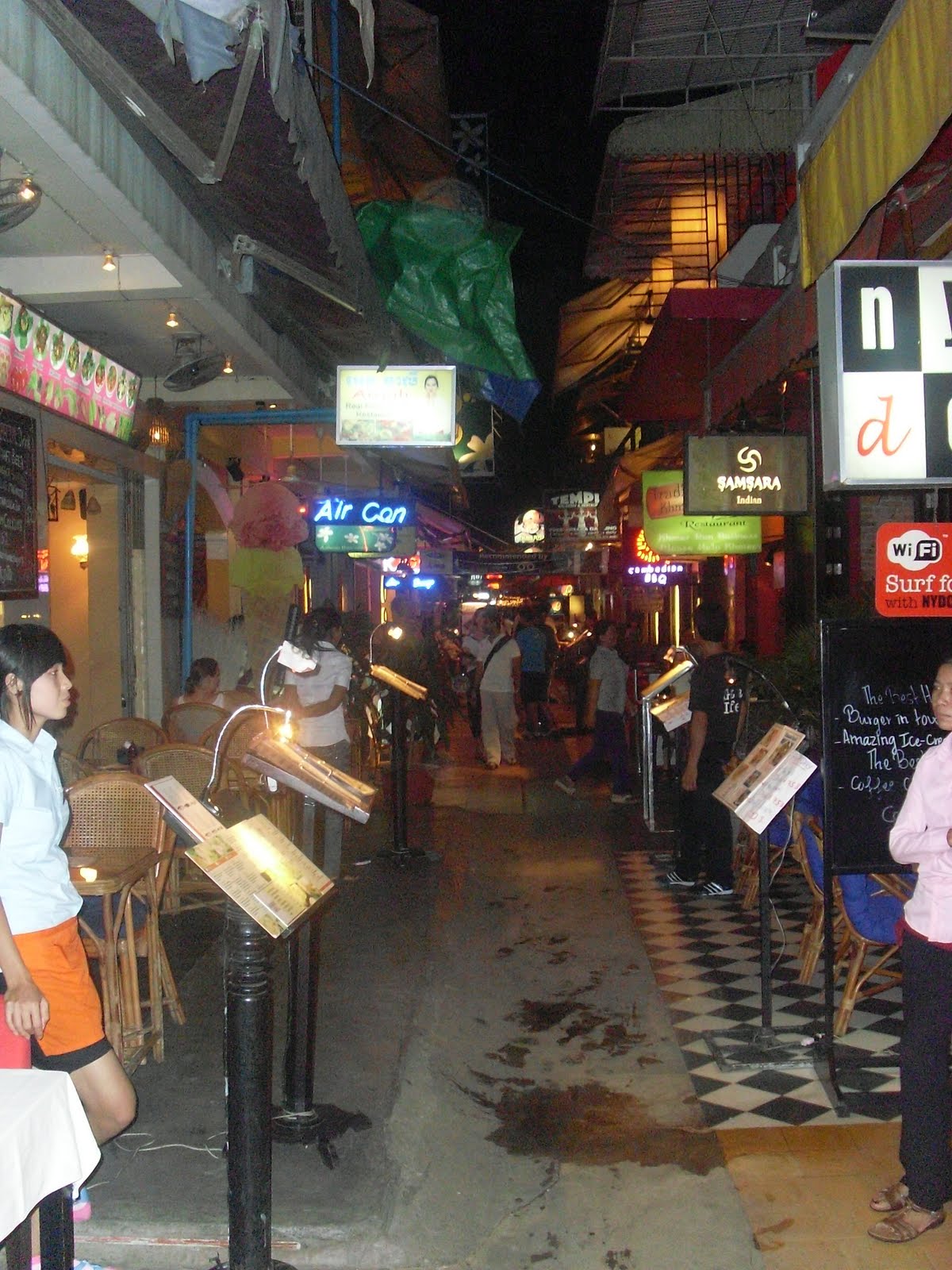
The town is just as charming as ever and the restaurants are fantastic, mainly in the little alley shown below. Khmer food is very good, subtly different to Thai food.


Last time , I did not have a chance to visit the largest lake in South-East Asia, Tonle Sap, so we took a boat trip to see the unique floating village. The photo below shows me on the boat in a comfortable chair you would expect to find in a house!


The first thing that hits you when you arrive at Tonle Sap is the size of the floating village. Everything a normal town would have is there, except that you can't easily go for a walk!


We passed this family out fishing on the river that feeds the lake.


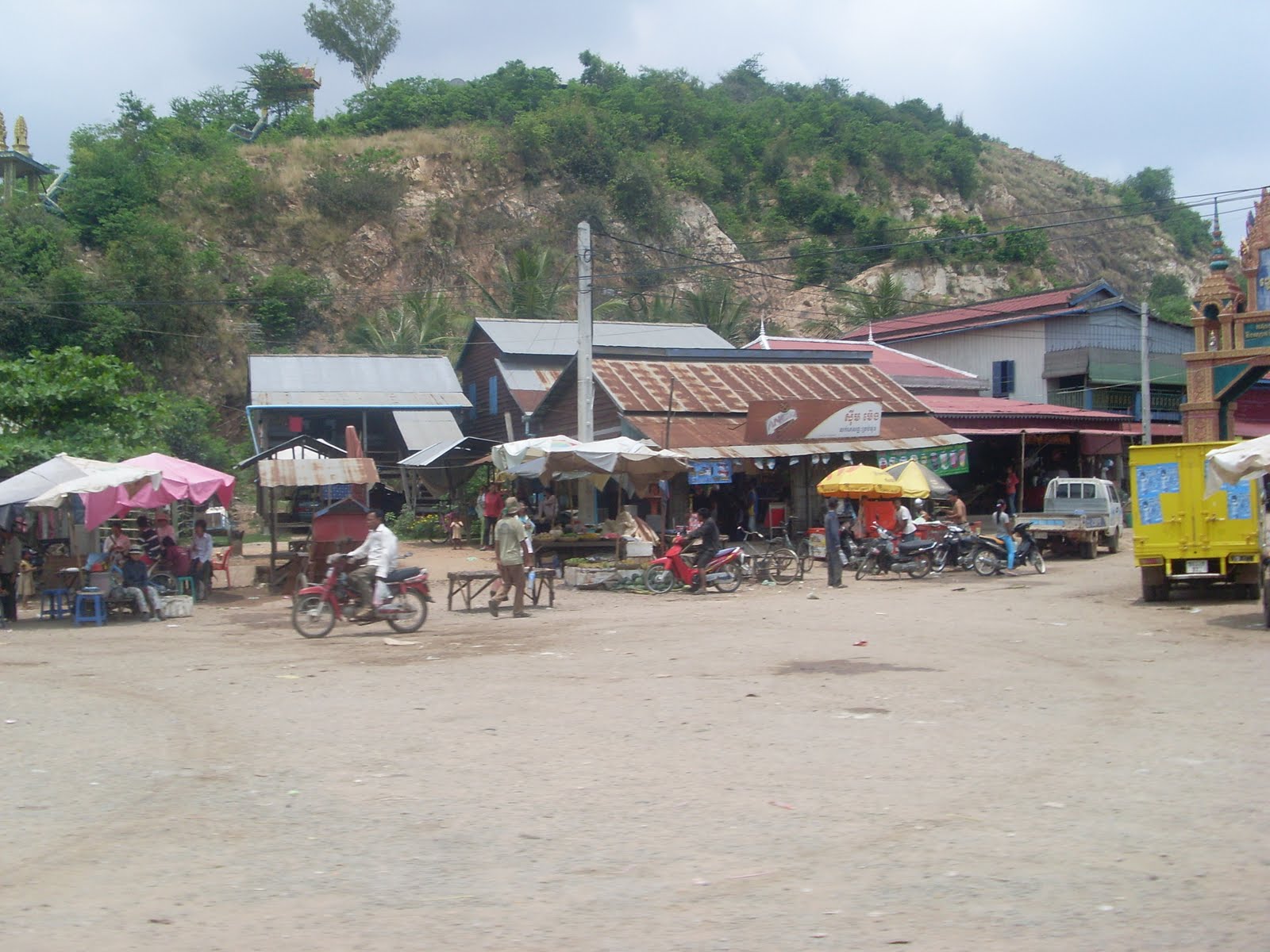
Rural life in Cambodia is still very simple although tourism and using the US Dollar is helping some of the more fortunate have a better life. One thing you do notice everywhere are the signs for the Cambodia Peoples Party and that most people are still riding bicycles.


Sunday, May 15, 2011

Ayutthaya II

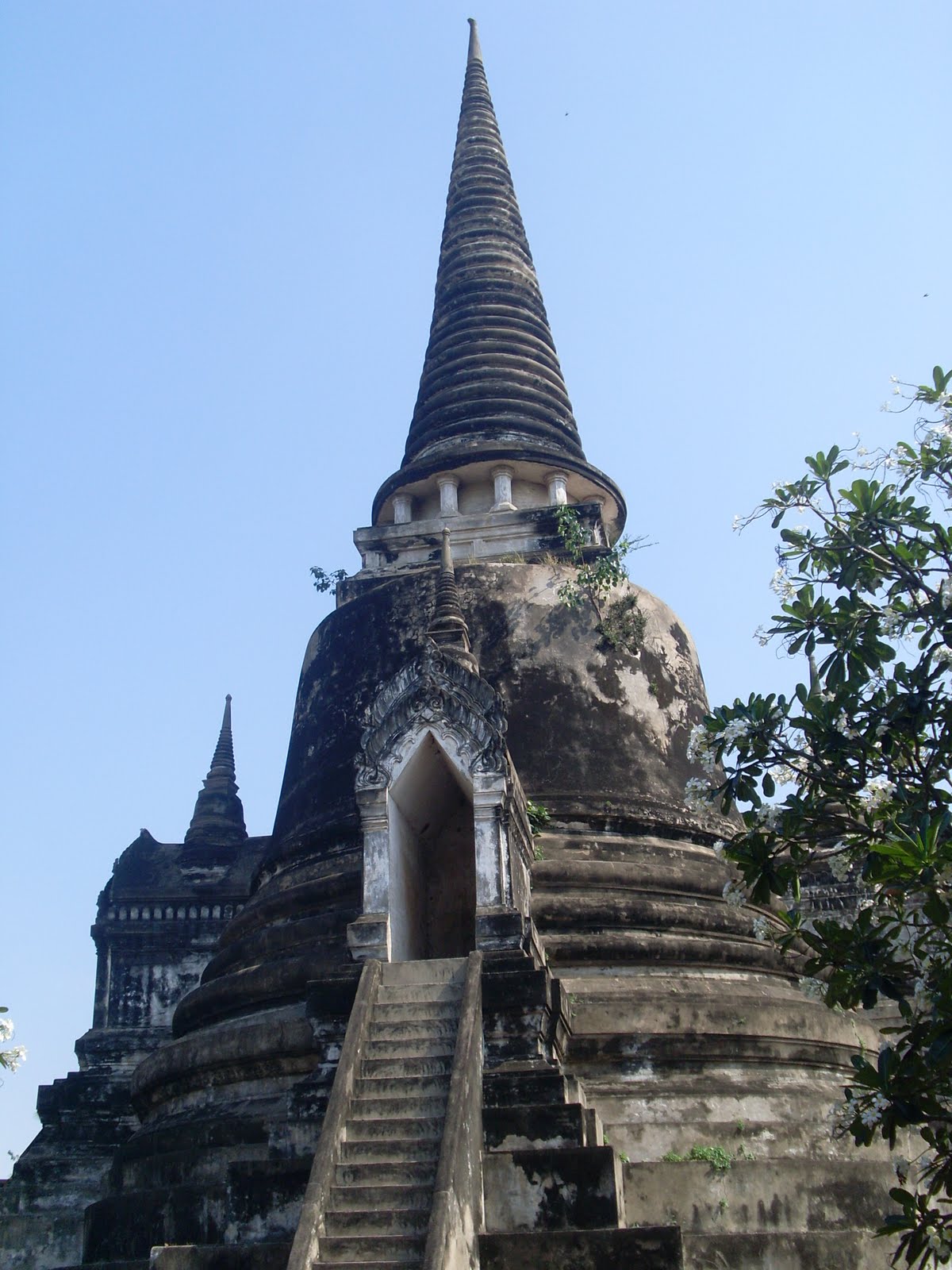
The ruins of Ayutthaya have been listed as a UNESCO World Heritage Site since 1991. One of the highlights of a visit to the city is Wat Phra Si Samphet, the largest of the temples in Ayutthaya with its row of tall chedis.


It was built in the 14th Century and served as the royal temple in the palace grounds.


Ayutthaya was a world recognised city and saw the reign of 33 different kings. It was an important trading port for international merchants and by 1700 it had a cosmopolitan population of over one million people.

The style of the chedi of Wat Phra Si Samphet has become the familiar Thai version of the Buddhist temple.


Most of the foreign visitors to Ayutthaya during its time as the capital of Siam were amazed by its grandeur and beauty, proclaiming it as the finest city in the world.


In the mid-eighteenth century, internal disputes and poor decision making saw Ayutthaya become vulnerable and an appealing target for its neighbours. After a one year war, the city of Ayutthaya fell to the Burmese in 1767. The city was burnt to the ground and the ruins of today are what remain.


The next capital of Thailand would become Bangkok.